21 OCT 2026
THE ACQUITTAL THE SCANDAL COULDN'T ABSORB
Rebekah Brooks resigned as News International chief executive as the phone-hacking scandal engulfed the company. After an eight-month Old Bailey trial, she was unanimously acquitted of all four charges. News Corp reappointed her to lead the same newspaper business in 2015, but her name remained inseparable from the wider scandal.
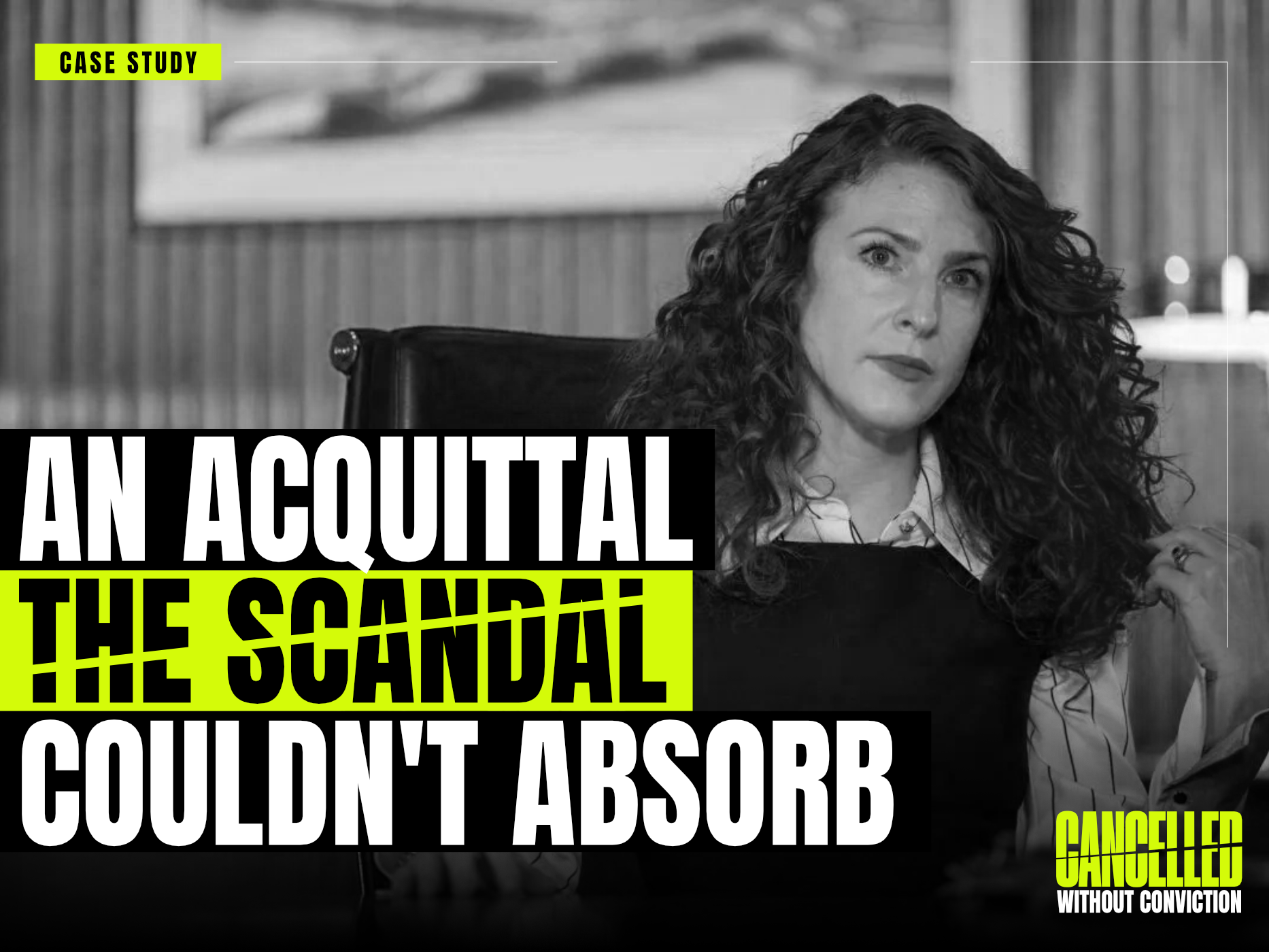
Rebekah Brooks resigned as chief executive of News International in July 2011 as the phone-hacking scandal engulfed Rupert Murdoch's British newspapers.
The scandal itself was real. Journalists had illegally intercepted private voicemails, executives faced questions over what they knew, and the News of the World closed after 168 years. Brooks had edited the newspaper between 2000 and 2003 before later editing The Sun and becoming chief executive of the wider company.
She was arrested two days after resigning. Prosecutors eventually charged her with conspiracy to intercept communications, conspiracy to commit misconduct in public office and two conspiracies to pervert the course of justice.
Brooks denied every charge.
Her trial began at the Old Bailey in October 2013 and lasted eight months. The prosecution examined her editorships, personal relationships and conduct during the crisis. The proceedings ensured that Brooks remained the most recognisable individual associated with the scandal, even while the jury was still considering whether she had committed any crime.
On 24 June 2014, Brooks was acquitted of all four charges. The verdicts were unanimous. Her husband, personal assistant and News International's former head of security were also cleared.
Other defendants received different verdicts. Andy Coulson, another former editor of the News of the World, was convicted of conspiracy to hack phones. Brooks's acquittal did not erase the wider wrongdoing, but it established that the prosecution had not proved criminal responsibility against her.
In September 2015, News Corp reappointed Brooks as chief executive of News UK. She returned to lead the same newspaper business she had left four years earlier.
The appointment was fiercely criticised. For some, Brooks remained inseparable from the institutional failures that occurred while she held senior positions. Corporate responsibility, however, is not the same question as criminal guilt.
The public narrative had absorbed Brooks into the scandal before her trial began. When the jury separated her from the crimes alleged against her, that distinction proved harder to restore.
She resigned under the weight of accusation, endured an eight-month trial and was acquitted of everything. The verdict cleared her legally. It did not remove her from the story in which the public had already placed her.
TELL US YOUR STORY
KNOW SOMEONE WHO WAS CANCELLED WITHOUT CONVICTION? SHARE THEIR STORY.