5 NOV 2026
THE JOB WAS GONE BEFORE THE REGULATOR RULED
Piers Morgan left Good Morning Britain within approximately 48 hours of questioning the Duchess of Sussex’s Oprah interview. Six months later, Ofcom found that the programme had not breached the Broadcasting Code.
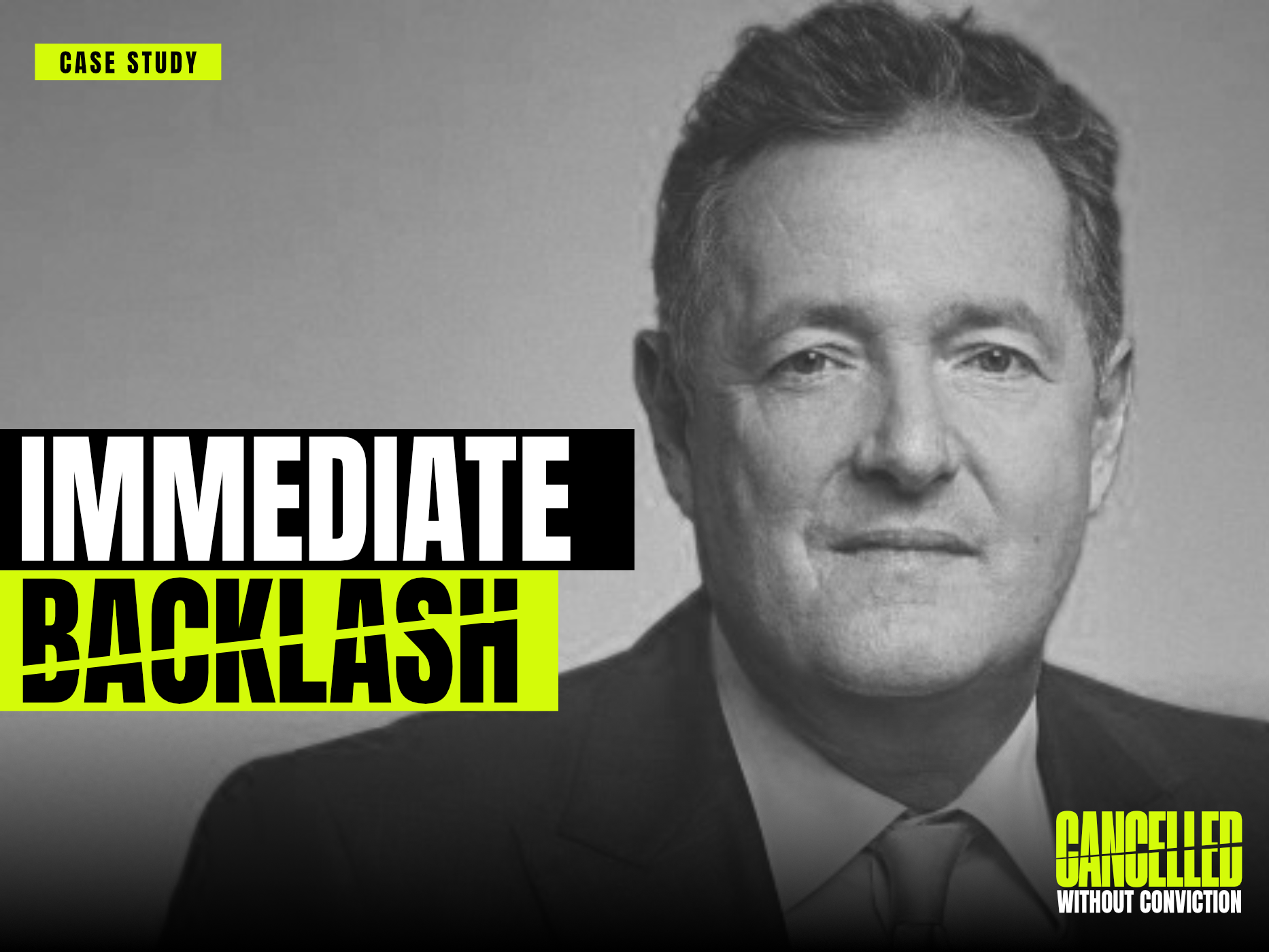
On 8 March 2021, Good Morning Britain discussed the Duke and Duchess of Sussex’s interview with Oprah Winfrey. During the programme, Piers Morgan said that he did not believe the Duchess’s account and questioned the accuracy of claims made during the interview.
The comments produced an immediate backlash. Mental-health charity Mind expressed concern, the Duchess complained to ITV and tens of thousands of viewers contacted Ofcom. Across the programmes broadcast on 8 and 9 March, the regulator received 57,121 complaints—the highest number in its history at the time.
The following morning, Morgan walked off the set during a confrontation with colleague Alex Beresford. That evening, while Ofcom’s investigation was only beginning, ITV announced that Morgan was leaving the programme after six years.
The broadcaster said that, following discussions, Morgan had decided it was time to leave. Morgan maintained that he would not apologise for an honestly held opinion. Whatever the contractual distinction between dismissal and resignation, the professional outcome arrived within approximately 48 hours of the original broadcast.
Ofcom took nearly six months to reach its decision. On 1 September 2021, it found that Good Morning Britain had not breached the Broadcasting Code.
The ruling was not an endorsement of everything Morgan had said. Ofcom described his comments as potentially harmful and offensive and called the decision “finely balanced.” The regulator concluded, however, that Morgan had been strongly challenged by other presenters and guests, providing sufficient context and protection for viewers. Freedom of expression also formed an important part of its assessment.
Morgan had therefore left one of Britain’s most prominent broadcasting jobs before the body responsible for enforcing broadcasting standards had determined that no rule had been broken.
The controversy raised legitimate questions about mental health, responsible broadcasting and the consequences of dismissing another person’s account. But those questions were publicly settled through pressure before they were institutionally examined through regulation.
The complaints arrived immediately. The departure followed the next day. The ruling came six months later. By then, the programme had been cleared—but its presenter was already gone.
TELL US YOUR STORY
KNOW SOMEONE WHO WAS CANCELLED WITHOUT CONVICTION? SHARE THEIR STORY.